#grottazzolina
A VILLAGE TO EXPERIENCE AMONG HISTORY, BEAUTY, AND TRADITIONS
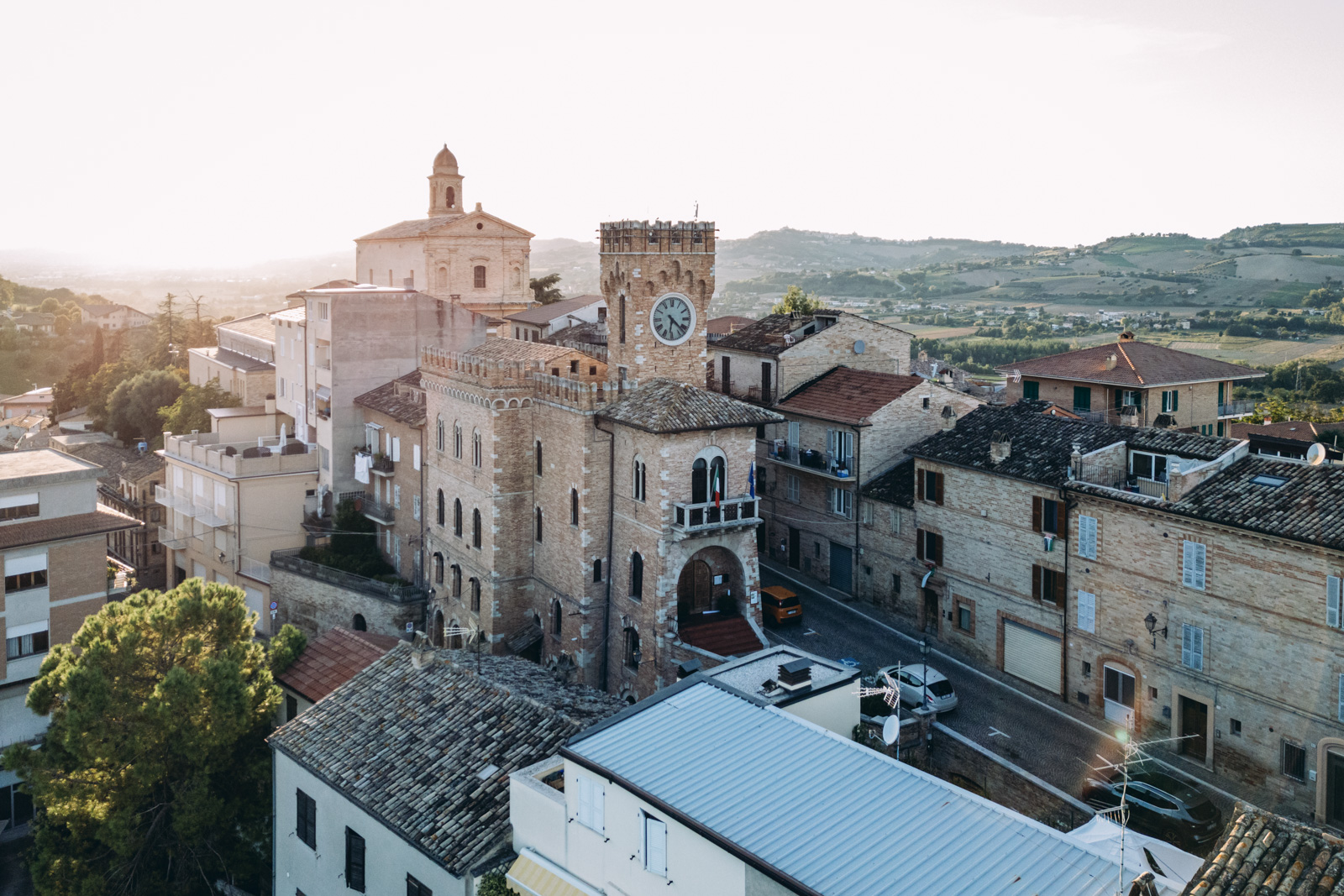
Nestled on a gentle hill between the Adriatic Sea and the Sibillini Mountains, Grottazzolina weaves together millennia of history, living traditions, and landscapes that open onto the Tenna Valley. Its origins date back to the Picene era, as evidenced by Iron Age tombs discovered in the Piane area, while in the 8th century the Benedictine monks of Farfa founded the first castle. It later became a fief of Count Azzo VII d’Este, from whom the town takes its name and inspiration for the historical reenactment “I Giorni di Azzolino.”
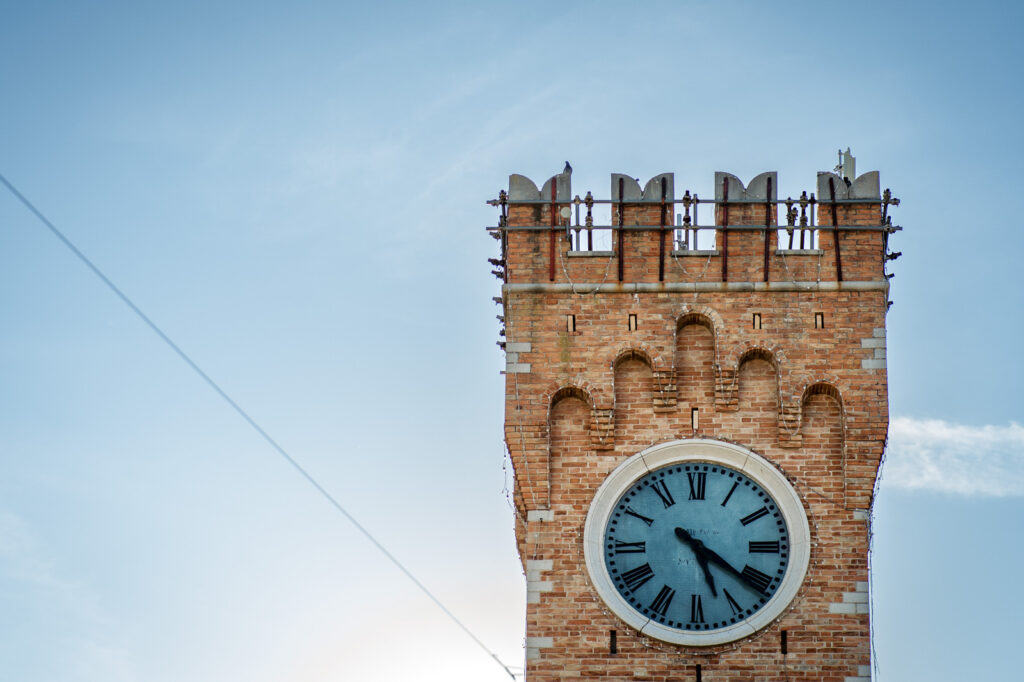
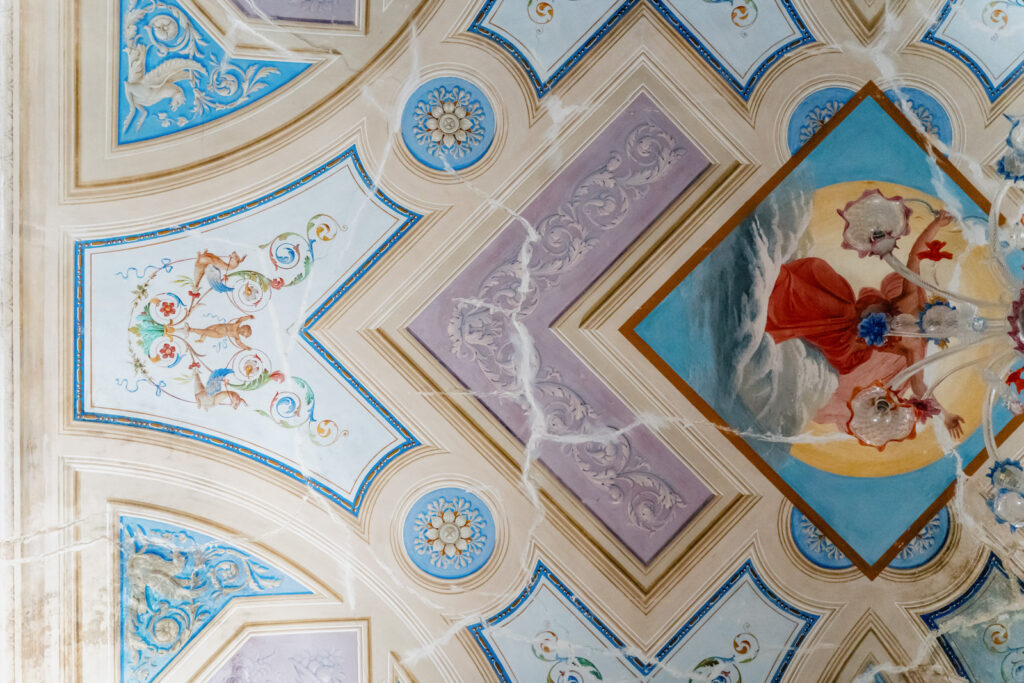
At the heart of the village stands Castello Azzolino, a symbol of local pride. Around it unfolds the urban fabric of exposed Fermo-style brickwork, the result of the craftsmanship of Grottazzolina’s master masons who, between the 18th and 19th centuries, perfected a refined brick-making art recognizable in architectural details and in the churches of the historic center: the Church of the Most Holy Sacrament and the Rosary, featuring works by Luigi Fontana, and the Parish Church of San Giovanni Battista, with paintings by Ubaldo Ricci.
Grottazzolina is the birthplace of, or has welcomed, distinguished figures such as Vincenzo Monaldi, the baritone Graziani, and the painter Osvaldo Licini. Folk traditions, the patronal feast dedicated to Our Lady of Perpetual Help in June, and a rich summer cultural season keep an authentic identity alive—one that brings together art, history, and the convivial spirit of the Marche.